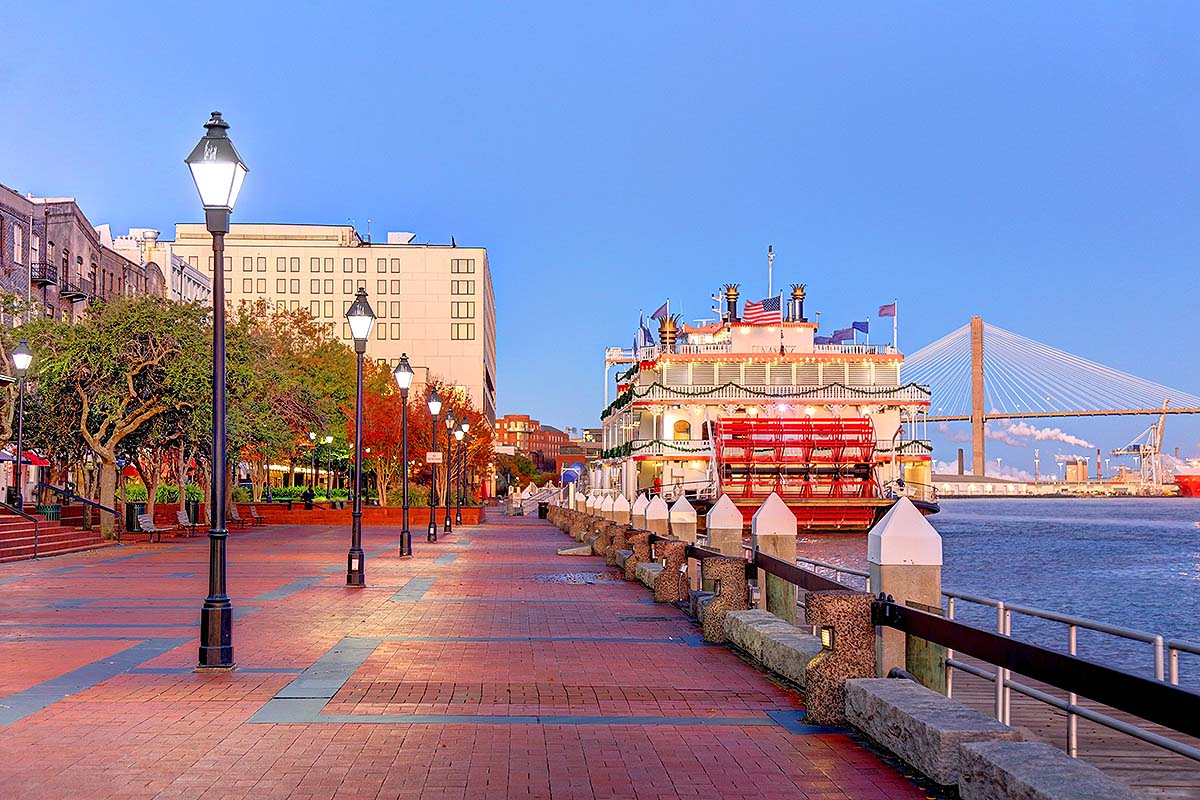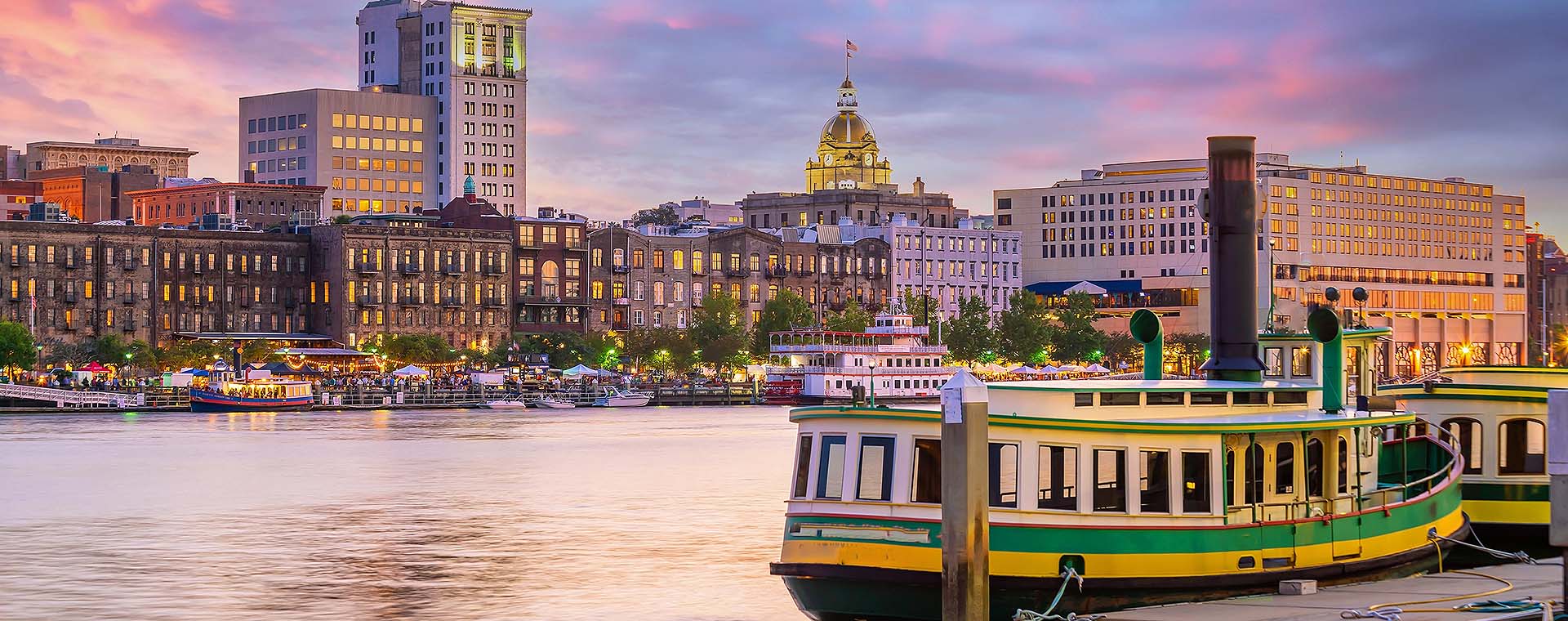
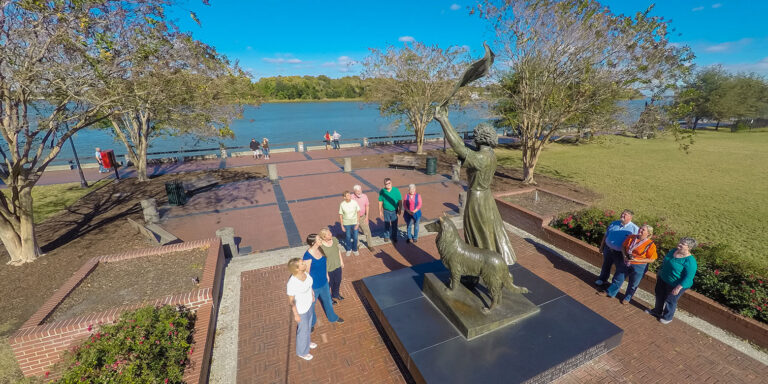
Attractions near the Savannah waterfront highlight both history and entertainment. The American Prohibition Museum takes guests through the 1920s with immersive exhibits, rare artifacts, and costumed interpreters who bring the era to life. After exploring the museum, visitors step into Congress Street Up, a recreated speakeasy serving cocktails inspired by Prohibition recipes. Families often choose the Savannah Pirates and Treasure Museum, where real cannons, shipwreck artifacts, and interactive displays share stories of piracy along the coast. Savannah Riverboat Cruises depart from the docks with sightseeing and dinner trips that showcase the city from the water. Landmarks such as the African-American Monument and the Waving Girl statue honor defining moments in Savannah’s story, while the Plant Riverside District offers live music, dining, and art installations in a revitalized historic space.
The Best Way to Experience Savannah Waterfront
The Savannah waterfront experience is best enjoyed with a visit to Old Savannah Distillery. Located on historic River Street, this local craft distillery offers tasting experiences and insight into regional spirits history. Adding Old Savannah Distillery to your itinerary gives visitors a taste of coastal Georgia heritage steps from the Savannah River.
Why You Should Include The Old Savannah Distillery on Your Savannah Waterfront Visit
- River Street Location: Visit Old Savannah Distillery along historic River Street on the Savannah waterfront.
- Craft Spirit Tastings: Sample regional spirits while learning about local distilling heritage and production techniques.
- Historic Waterfront Setting: Experience spirit production inside historic stone architecture near the Savannah River.
- Central Walking Access: Enjoy a tasting stop within walking distance of downtown shops, restaurants, and waterfront sights.
- Flexible Itinerary Stop: Add an indoor tasting experience to your River Street sightseeing schedule at your own pace.
Top Savannah Waterfront Attractions
- Savannah Historic District: Tour the National Historic Landmark district featuring historic public squares and architecture.
- African-American Monument and the Waving Girl statue: View historic public monuments along the River Street waterfront that commemorate Savannah’s maritime history and cultural heritage.
- American Prohibition Museum: Tour interactive exhibits and authentic artifacts detailing the history of the 18th Amendment and bootlegging era in nearby City Market.
- Savannah Pirates and Treasure Museum: Discover authentic pirate artifacts, maritime exhibits, and regional seafaring lore steps from the waterfront.
- Old Savannah Distillery: Experience historic spirits production and learn about local distilling traditions along River Street.
How Did the Savannah Waterfront Develop Over Time?
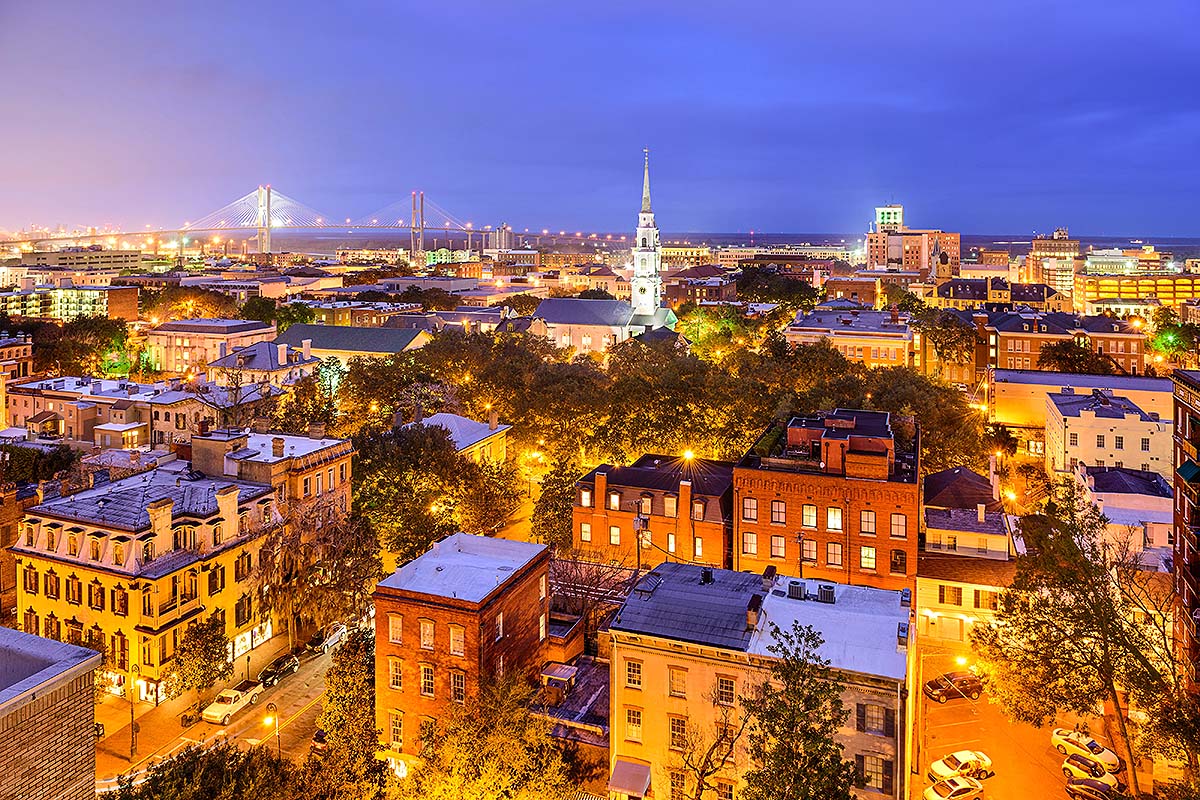
The Savannah waterfront has been tied to the city’s story since 1733, when James Oglethorpe and the first colonists built the original port. Early ships carried away timber and rice, returning with goods that supplied the colony. By the 1800s, Savannah had become one of the busiest cotton ports in the world. Cotton bales once filled the tall warehouses that still line River Street, waiting to be exported overseas. The cobblestones that cover the ground came from ballast stones left behind by arriving ships, and they remain one of the most recognizable features of the riverwalk. Over time, the working port shifted, but the waterfront never lost its importance.
Today, the same buildings that once stored cargo now hold shops, restaurants, hotels, and museums. Walking here connects guests to centuries of commerce and culture while still enjoying the modern Savannah waterfront and its many attractions.
What Can You Do on the Savannah Waterfront?
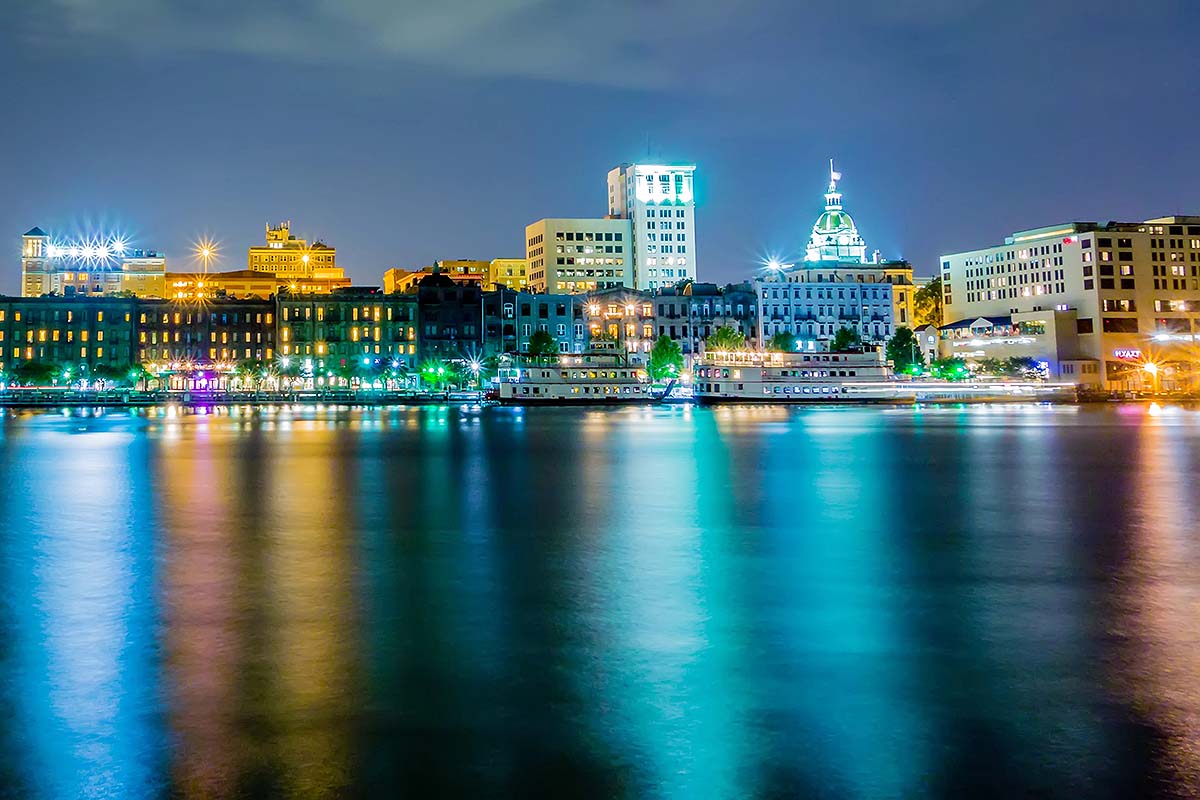
Visitors to the Savannah waterfront find plenty to fill their day. Savannah Riverboat Cruises depart from the docks with sightseeing trips, dinner sails, and sunset excursions that highlight the river and skyline. Landmarks such as the African-American Monument and the Waving Girl statue bring important chapters of the city’s past into view. At the Plant Riverside District, live music, art installations, and rooftop dining create a lively setting with striking views of the river. Shops and galleries inside historic warehouses feature everything from handmade crafts to fine art, while nearby restaurants serve regional favorites alongside international flavors. Street performers and open-air patios add to the atmosphere, keeping the area active from morning until night. Every visit reveals a mix of history, culture, and entertainment, making it one of Savannah’s most engaging destinations.
What Attractions Are Close to the Savannah Waterfront?
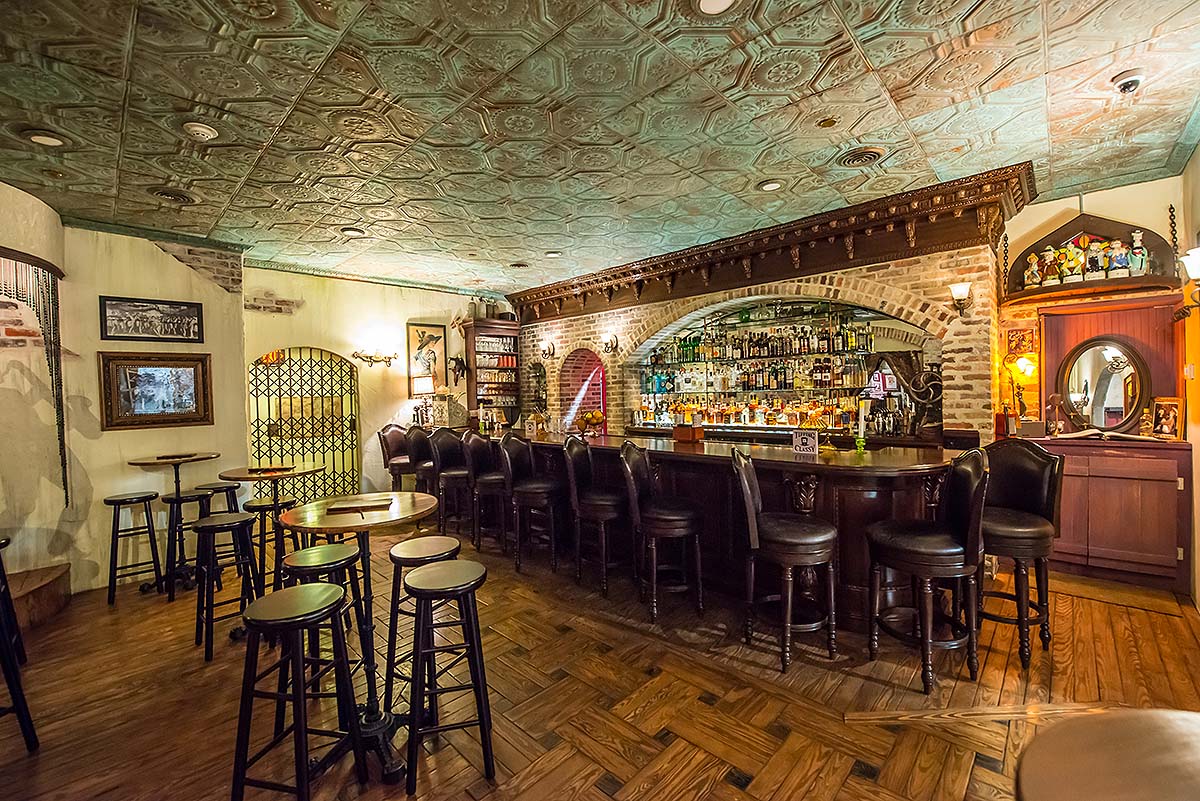
Just a short walk from the river are some of Savannah’s most engaging attractions. The American Prohibition Museum® is one of a kind in the United States, tracing the story of the dry years with interactive displays, rare artifacts, and costumed docents who explain how the ban on alcohol shaped the nation. At the end of the visit, guests step into Congress Street Up, a recreated speakeasy that serves cocktails made with 1920s recipes, creating a seamless link between history and hospitality.

Savannah Pirates and Treasure Museum
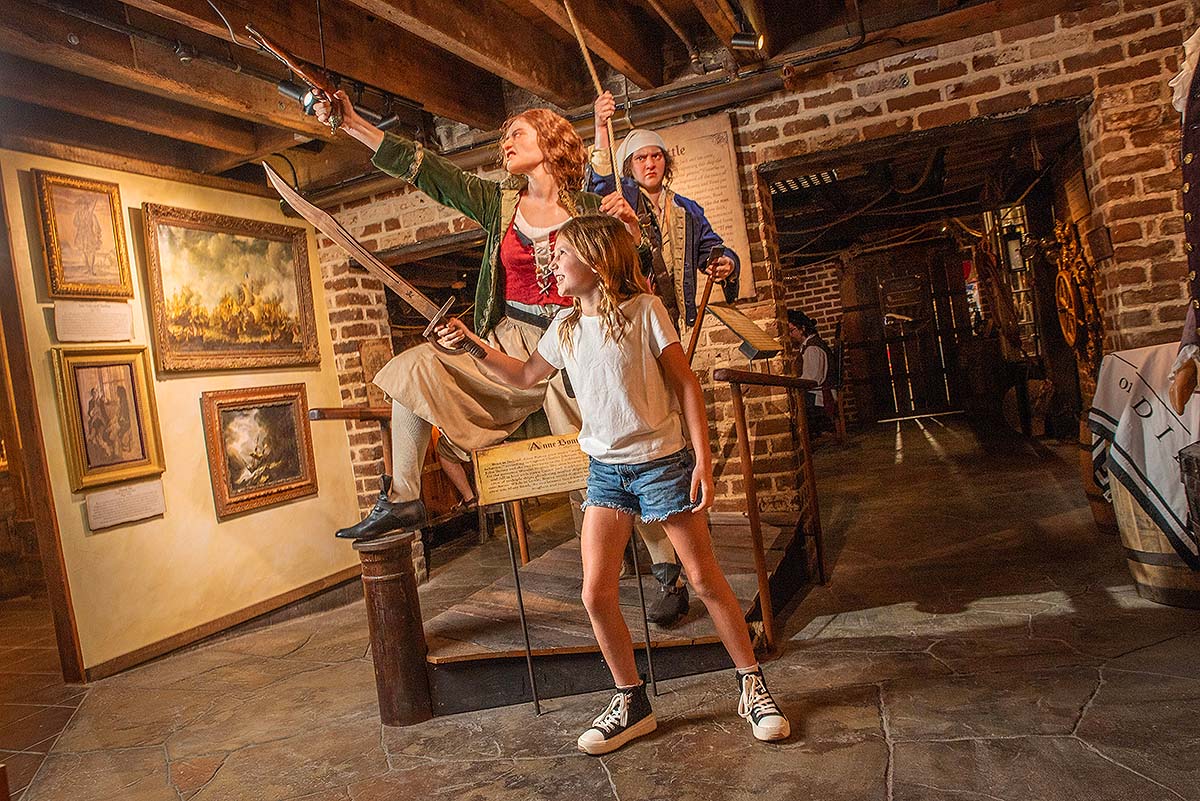
The Savannah Pirates and Treasure Museum® brings the Golden Age of Piracy into focus with authentic naval weaponry and treasures, including jewels, gold, and other precious metals from the period. Families enjoy the immersive ship scenes, while history buffs linger over documents that show how piracy affected life along the coast.
Ghosts & Gravestones
Ghosts & Gravestones® takes visitors through Savannah after dark on the Trolley of the Doomed, led by a Ghost Host who weaves tales of cemeteries, haunted squares, and tragic events tied to the city’s past. Points of interest often include Wright Square and the Owens-Thomas House, giving guests the chance to learn about places long linked with eerie stories.
Ghost Hunters of Savannah Paranormal Investigation
For a deeper dive into the supernatural, the Ghost Hunters of Savannah® Paranormal Investigation equips participants with professional ghost-hunting tools and guides them through 416 W. Liberty Street, the iconic neighborhood site known for unexplained activity. Guests learn how investigators record and measure evidence, making the experience as educational as it is thrilling.
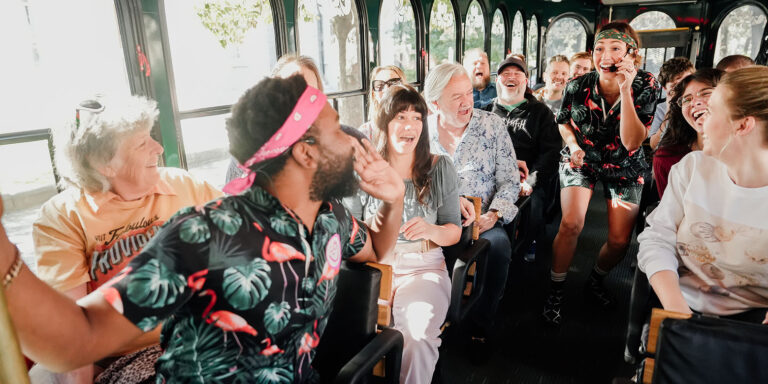
Savannah for Morons
Savannah for Morons offers a lighter take, delivering a comedy trolley tour packed with quick jokes, playful performances, and quirky takes on Savannah’s long history. The show is both informative and hilarious, making it a popular pick for groups of friends.
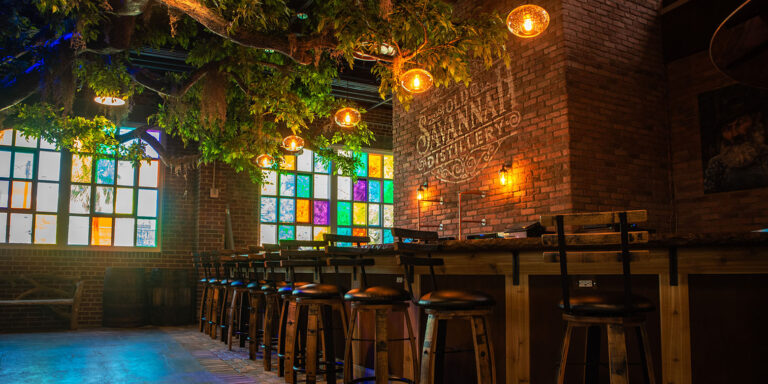
Old Savannah Distillery
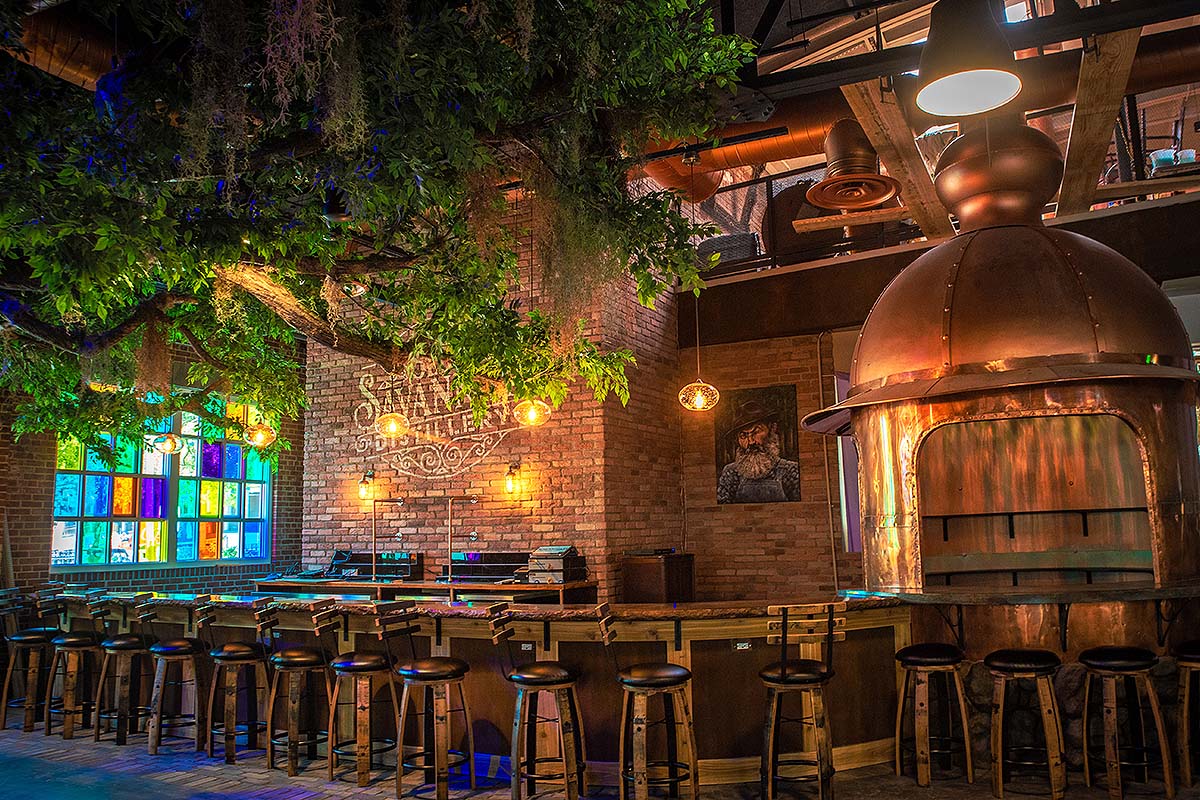
The new Old Savannah Distillery® will add a modern landmark to the mix. Plans include a full restaurant and tasting experiences that share the city’s deep connection to spirits. Visitors will be able to taste spirits distilled specifically for this location, try locally inspired cocktails, and learn about Savannah’s ongoing craft revival all under one roof.
Together, these attractions round out a visit to the waterfront, giving travelers options that range from historical deep dives to hands-on adventures, all within easy reach of River Street.
How Can You Get Around the Savannah Waterfront?
The Savannah Belles Ferry is a favorite way to cross the river. It’s free, ADA-accessible, and gives passengers wide views of the skyline and the busy port. The ride connects River Street to Hutchinson Island, home to the Savannah Convention Center and The Westin Savannah Harbor Golf Resort, so it’s both scenic and practical.
Walking is another easy way to explore. Cobblestone paths, historical ramps, and open sidewalks connect shops, restaurants, and attractions along the waterfront. If the climb from Bay Street feels steep, public elevators at the Hyatt Regency and The Alida, Savannah, make the trip quick and accessible.
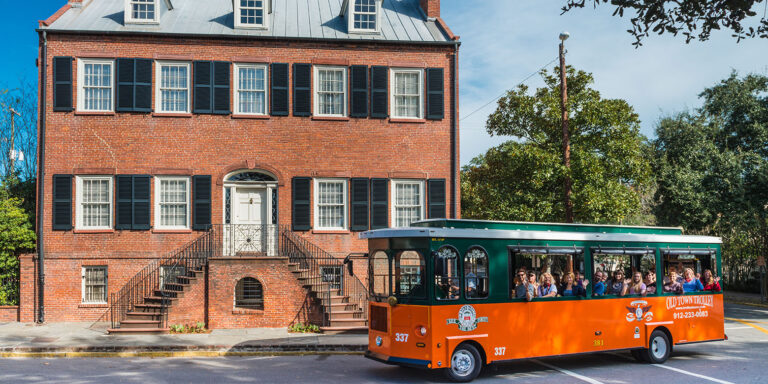
Old Town Trolley Tours® adds another layer of convenience. With friendly and knowledgeable guides, live narration, and unlimited reboarding, the hop-on and hop-off system includes waterfront stops and shares stories that bring Savannah’s past into focus while you ride.
Pedicabs, or bicycle taxis, are common near River Street. They’re a relaxed option for shorter trips, and riders often enjoy chatting with the locals pedaling them, which adds a personal touch to the experience.
Why Spend Time on the Savannah Waterfront?
The Savannah waterfront has been a gathering place for centuries, and today it remains one of the city’s most welcoming spaces. Visitors can watch ships move along the river, browse shops inside old cotton warehouses, or pause to admire public monuments that tell the story of the city’s past. Cobblestones and restored buildings carry history forward, while restaurants and music bring life to every block.
Many people come here to enjoy the setting as much as the activities. Street performers, local artists, and live music create a lively rhythm along the river. Seasonal festivals and holiday events often bring added excitement to the area. Families stop for pralines in candy shops, couples share riverside meals, and groups of friends gather for views of the sunset. Each visit feels full of local flavor, giving the waterfront a lasting place in the city’s story.
FAQs
Yes, the Savannah waterfront has several features that make it accessible to visitors with mobility needs. Public elevators at the Hyatt Regency and The Alida, Savannah, help guests move between Bay Street and River Street. Many newer areas, such as Plant Riverside District, have wide, level walkways and paved paths that make moving around easy. The Savannah Belles Ferry is ADA-compliant, offering free, scenic rides across the river, and many restaurants now include ramps and accessible seating. While the cobblestones remain part of the historical charm, signs and alternate routes guide visitors toward smoother paths for wheelchairs and strollers. Accessibility continues to improve as businesses add new options for guests.
The Savannah waterfront is active year-round, but spring and fall are especially pleasant thanks to mild weather. During these seasons, visitors enjoy outdoor concerts, festivals, and art shows that spill into the squares and courtyards. Summer evenings bring a busy energy with sunset riverboat cruises, street musicians, and nightlife along River Street. Winter is highlighted by holiday markets, light displays, and seasonal performances at Plant Riverside District. Morning visits give photographers soft light and quiet streets, while evenings show the Savannah waterfront at its liveliest with music, dining, and the glow of lights along the water. Every season offers something distinct, making repeat visits worthwhile.
The Savannah waterfront is easy to reach from almost anywhere in the Historic District. Many visitors walk down the ramps and stairs from Bay Street, while others use the free dot Express Shuttle, which stops near River Street. The Savannah Belles Ferry connects the waterfront to Hutchinson Island, where you’ll find the convention center and the Westin resort. Old Town Trolley Tours also includes the Savannah waterfront on its hop-on, hop-off route, with friendly and knowledgeable guides providing live narration about the city’s history. Parking garages are located within walking distance, though most visitors find arriving by foot, trolley, or ferry is more convenient. This ease of access is one reason the Savannah waterfront remains such a central part of the visitor experience.
Yes, families often find the Savannah waterfront to be one of the most enjoyable areas in the city. Children can watch massive container ships glide by while snacking on sweets from River Street candy shops. Savannah Riverboat Cruises offer narrated sightseeing trips that keep both adults and kids entertained. Public squares along the river provide space to rest, and seasonal markets often include crafts, games, and live performances for younger visitors. The Savannah waterfront also connects easily to nearby museums like the Savannah History Museum and the Juliette Gordon Low Birthplace, both of which provide engaging and educational experiences for families. Parents appreciate the mix of open-air fun and cultural stops, making it easy to fill an afternoon.