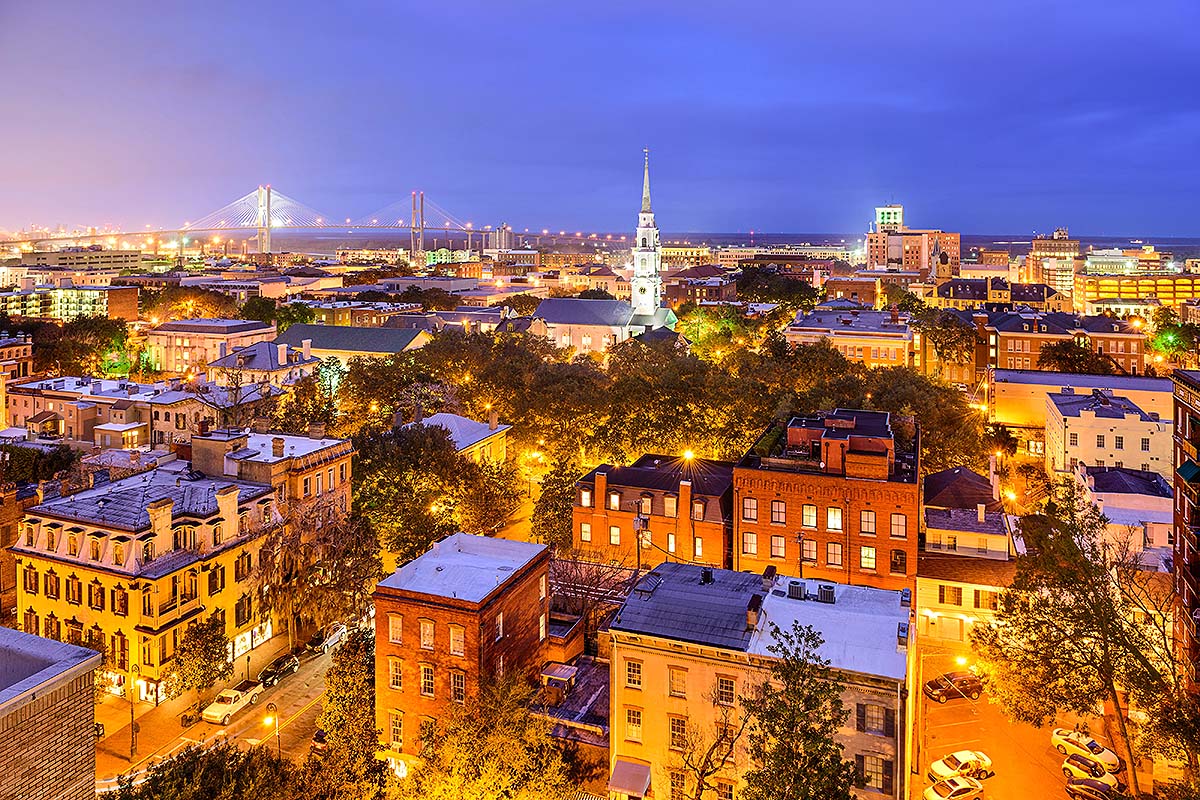
Many visitors start in the Historic District, where 22 squares anchor the heart of the city. Johnson Square, Chippewa Square, and Madison Square highlight different moments in Savannah history. The Cathedral Basilica of St. John the Baptist showcases Gothic Revival architecture, while Forsyth Park has been part of community life for more than a century. Civil War enthusiasts often visit Fort Pulaski National Monument, and the Sorrel Weed House ties architecture to the wartime history of Savannah, GA. Each of these sites is considered essential for exploring the city’s past.
Why Is Savannah a Must-Visit City for History Lovers?
Savannah is one of the best-preserved historic cities in the United States, with roots dating back to its founding in 1733. Tree-shaded squares, brick streets, and restored buildings reveal how the city has grown while holding firmly to its past. Exploring Savannah history means encountering a place shaped by colonists, revolutionaries, and generations of residents dedicated to preservation. The history of Savannah, GA, spans every era, from General James Oglethorpe and the first settlers to the Revolutionary War and Civil War, all the way to present day. Across the city, churches, cemeteries, monuments, and museums give depth to this story, tying national events to the daily lives of the people who lived here.
How Can You Explore Savannah’s Historic District?
The Historic District is the starting point for many travelers, as Oglethorpe’s original grid plan and public squares continue to define the city’s layout. Each square reflects a specific chapter of history, beginning with Johnson Square, established in 1733 to honor Revolutionary War hero Nathanael Greene. Nearby, Chippewa Square features a statue of James Oglethorpe and remains famous worldwide for the Forrest Gump bench scenes. Madison Square is surrounded by historic homes and a local church that showcase the architectural legacy of Savannah, GA. At the center of this square stands the statue of Sergeant William Jasper, who is depicted triumphantly raising the American flag to the sky. Guided tours highlight details hidden in the ironwork and masonry, while self-guided walks reveal the cobblestone streets and moss-draped oaks that carry the city’s character forward.
Which Historic Homes in Savannah Should You Visit?
Owens-Thomas House & Slave Quarters
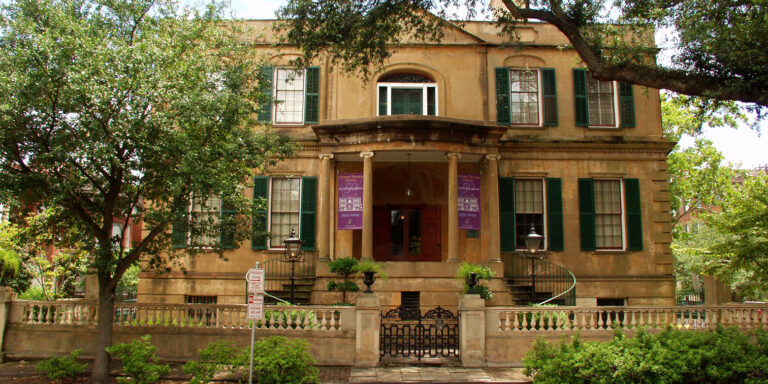
The Owens-Thomas House & Slave Quarters is one of the most important sites for Savannah history. Built in 1819, it showcases English Regency architecture and the elegance of 19th-century life for the wealthy, while the back of the property provides a vital perspective about how that wealth was maintained. The home’s preserved slave quarters honor the memory of the men, women, and children enslaved by the families of the main house. The rare preservation of a space like this gives visitors insight into the conditions and experience of forced servitude.
Juliette Gordon Low Birthplace
The Juliette Gordon Low Birthplace, where the Girl Scouts founder was born in 1860, displays restored rooms and family items. Visitors learn how her vision inspired a movement that still impacts young women today while connecting to the broader history of Savannah, GA.
Sorrel Weed House
The Sorrel Weed House, with its Greek Revival style, shares stories of the families who lived there, its role during the Civil War, and legends that shaped its reputation. Known for ghost stories and nighttime tours, it blends architecture, wartime history, and folklore, adding another layer to Savannah history.
What Are the Must-See Historic Landmarks in Savannah?
Forsyth Park
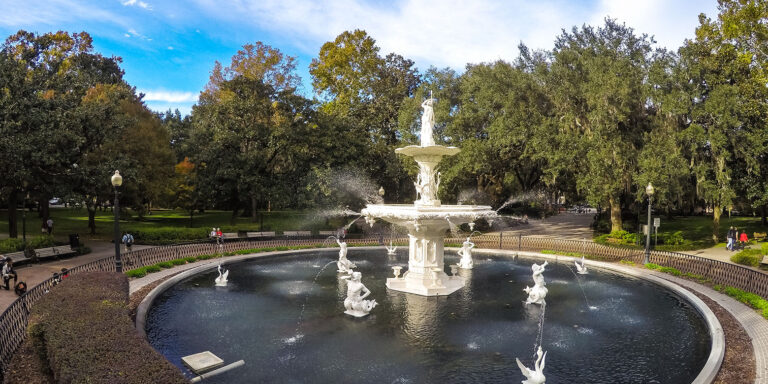
Historic homes are among the city’s most iconic landmarks. Forsyth Park, laid out in the mid-1800s, offers 30 acres of open lawns, shaded pathways, and the famous fountain modeled as a tribute to the fountains at Place de la Concorde in Paris. Still a gathering place for markets, concerts, and festivals, it illustrates how public spaces remain central to Savannah history.
River Street
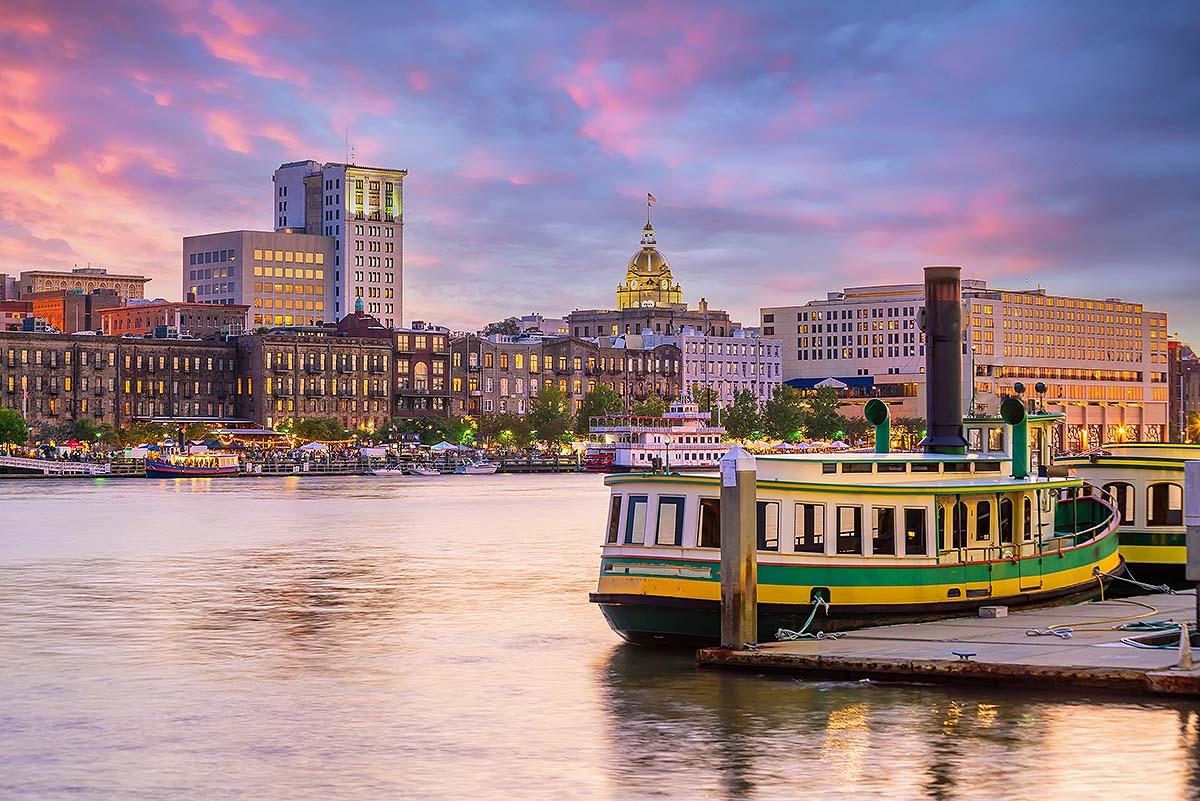
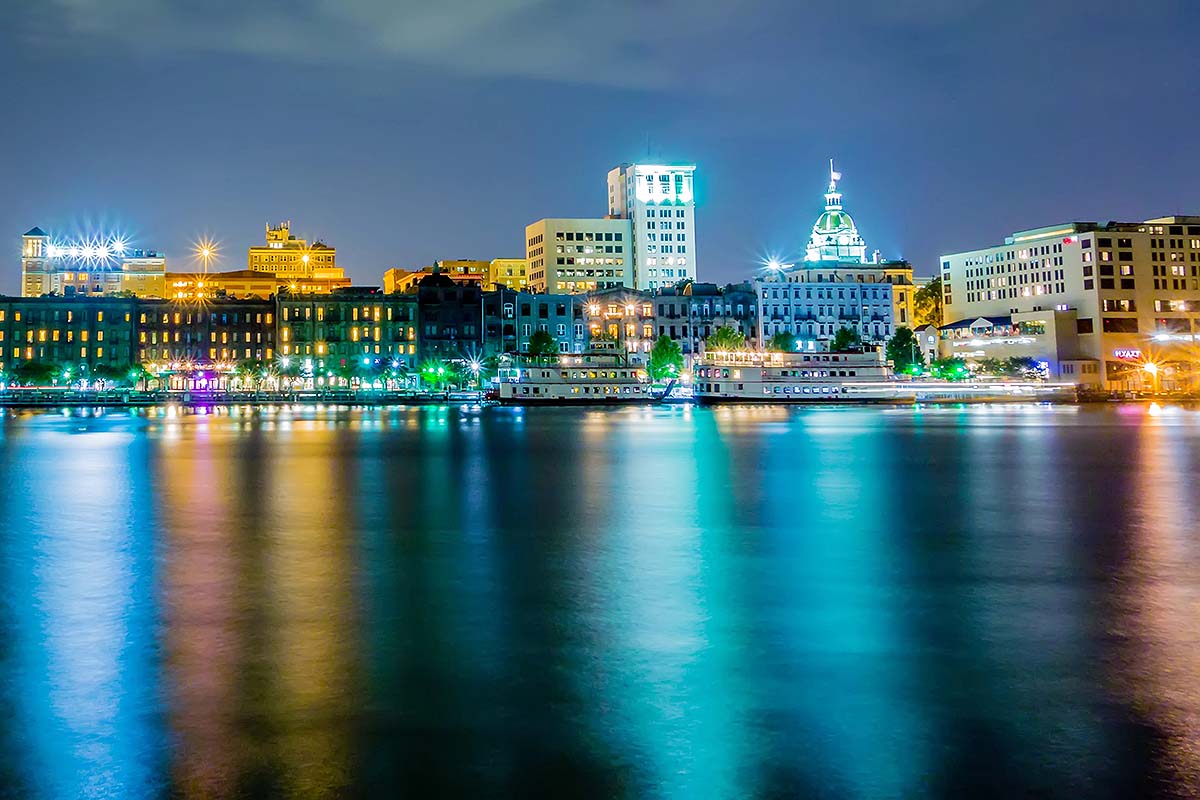
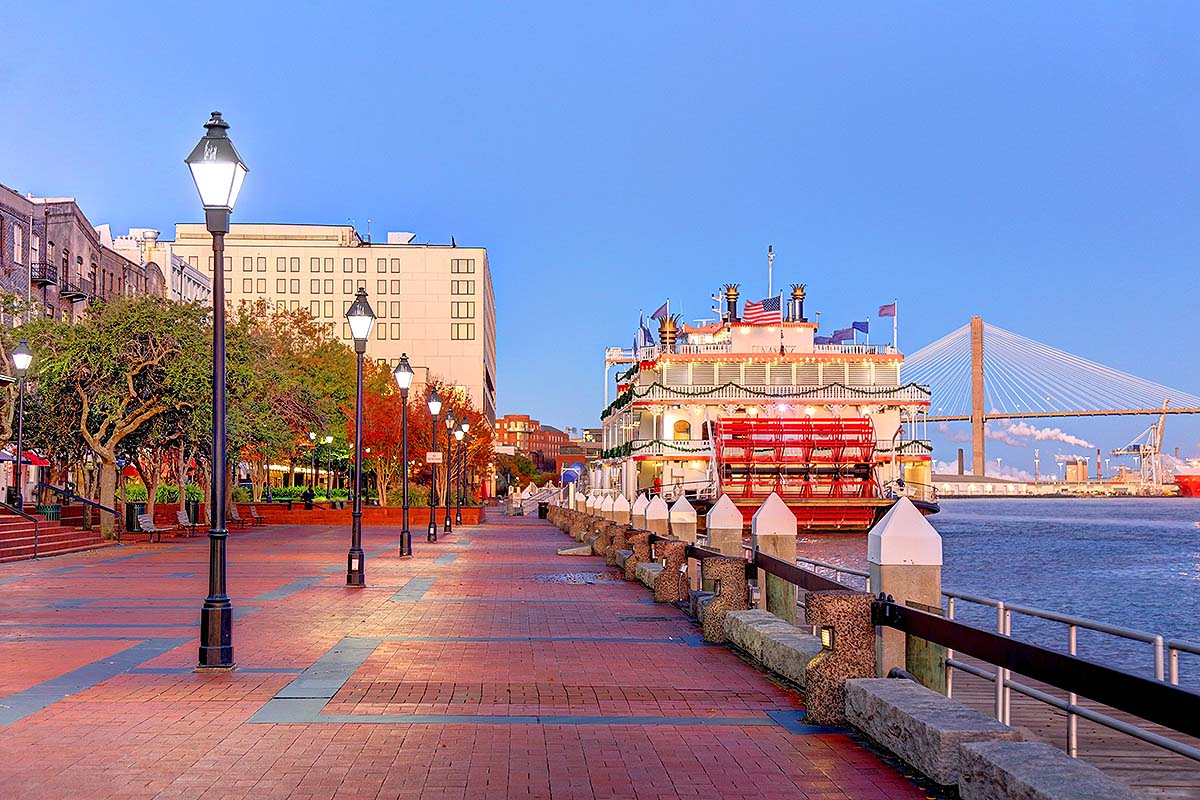
From there, River Street is where visitors gather on the waterfront. Overlooked by Savannah City Hall since 1906, the area was once lined with cotton warehouses at the heart of the city’s trade. Today, those warehouses have been adapted into galleries, shops, and restaurants, allowing visitors to experience the history of Savannah, GA, while enjoying one of its liveliest districts.
Cathedral Basilica of St. John the Baptist
Not far away, the Cathedral Basilica of St. John the Baptist rises above the skyline with Gothic Revival spires. Completed in the late 1800s, its stained glass, murals, and vaulted ceilings reflect the craftsmanship of its builders. Still an active place of worship, it continues to connect faith, community, and Savannah history.
What Can You Learn at Savannah Museums?
Savannah History Museum
Savannah’s museums connect visitors to the city’s past in ways that are both educational and personal. At the Savannah History Museum, exhibits cover more than three centuries, beginning with Native American culture and continuing through the Revolutionary and Civil Wars and the present day. Displays of weapons, uniforms, and personal belongings make these eras feel immediate, and visitors often pause at Forrest Gump’s bench, which has become a highlight.
Ships of the Sea Maritime Museum
From there, maritime history takes center stage at the Ships of the Sea Maritime Museum. Ship models, navigational tools, and maritime art show how Savannah grew as a port city. The museum’s home in the early 19th-century Scarbrough House adds another layer of context, given that it was formerly owned by one of Savannah’s most prominent sea merchants and one of the owners of the SS Savannah, the first steamship to cross the Atlantic Ocean. Walking through its galleries connects trade and commerce to the larger story of the city’s growth.
Georgia State Railroad Museum
The Georgia State Railroad Museum continues the theme of transportation, but this time on land. Restored locomotives, a working turntable, and hands-on exhibits let families step into the role of conductors and engineers. The chance to climb aboard railcars and engines makes the industrial side of Savannah history come alive.
Davenport House Museum
The Davenport House Museum offers a glimpse into daily life in the early 1800s. Its preserved rooms and stories of the family who lived there show how Savannah’s preservation movement began. Without the effort to save this house, many of the city’s other historic buildings might not have survived.
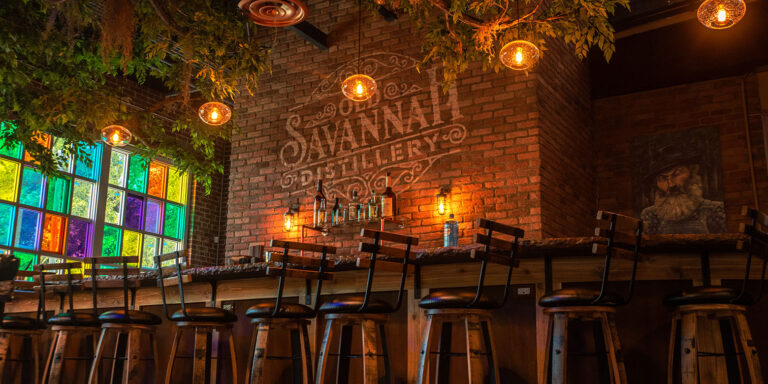
The Old Savannah Distillery
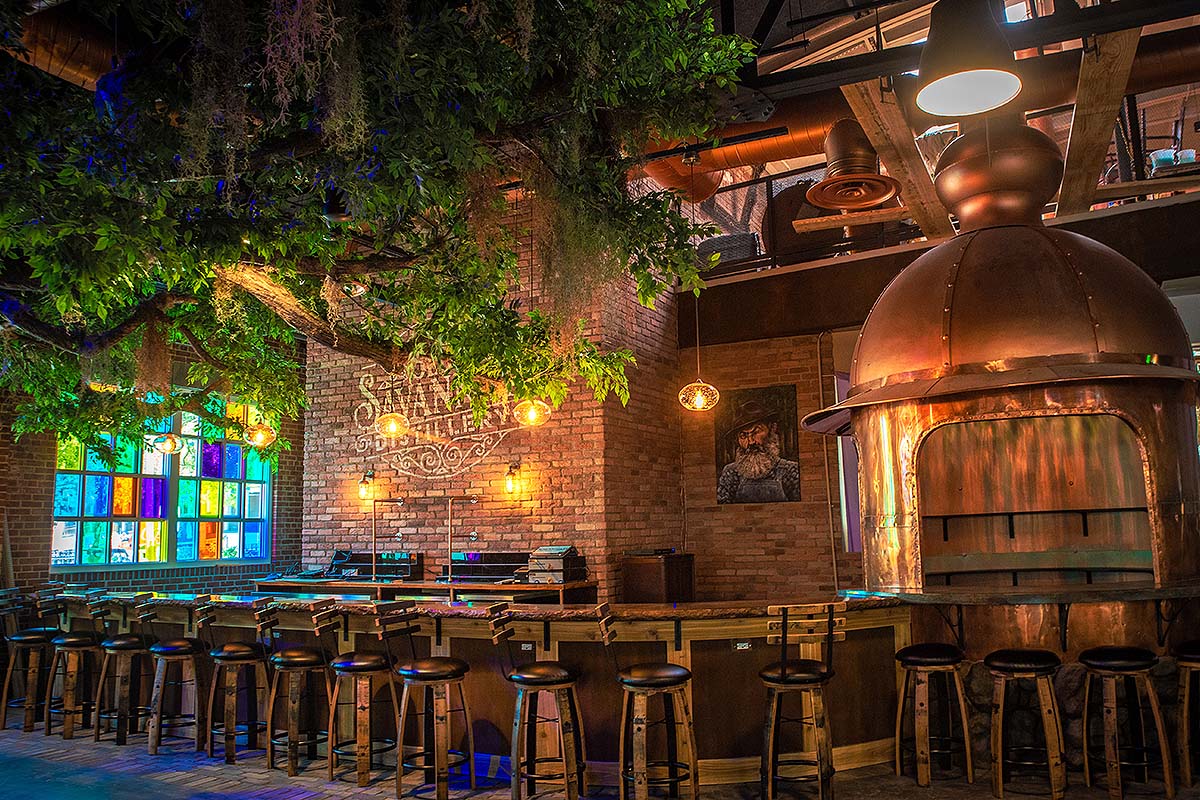
Savannah’s role in craft and spirits is also part of its museum culture. The Old Savannah Distillery® showcases the city’s tradition of distilling with tastings that highlight the balance between heritage and modern craft. The American Prohibition Museum® already tells a lively story of how national law shaped local life in the 1920s. Visitors can explore recreated saloons and speakeasies, enjoy interactive exhibits, and even order cocktails inspired by the era.

Savannah Pirates and Treasure Museum
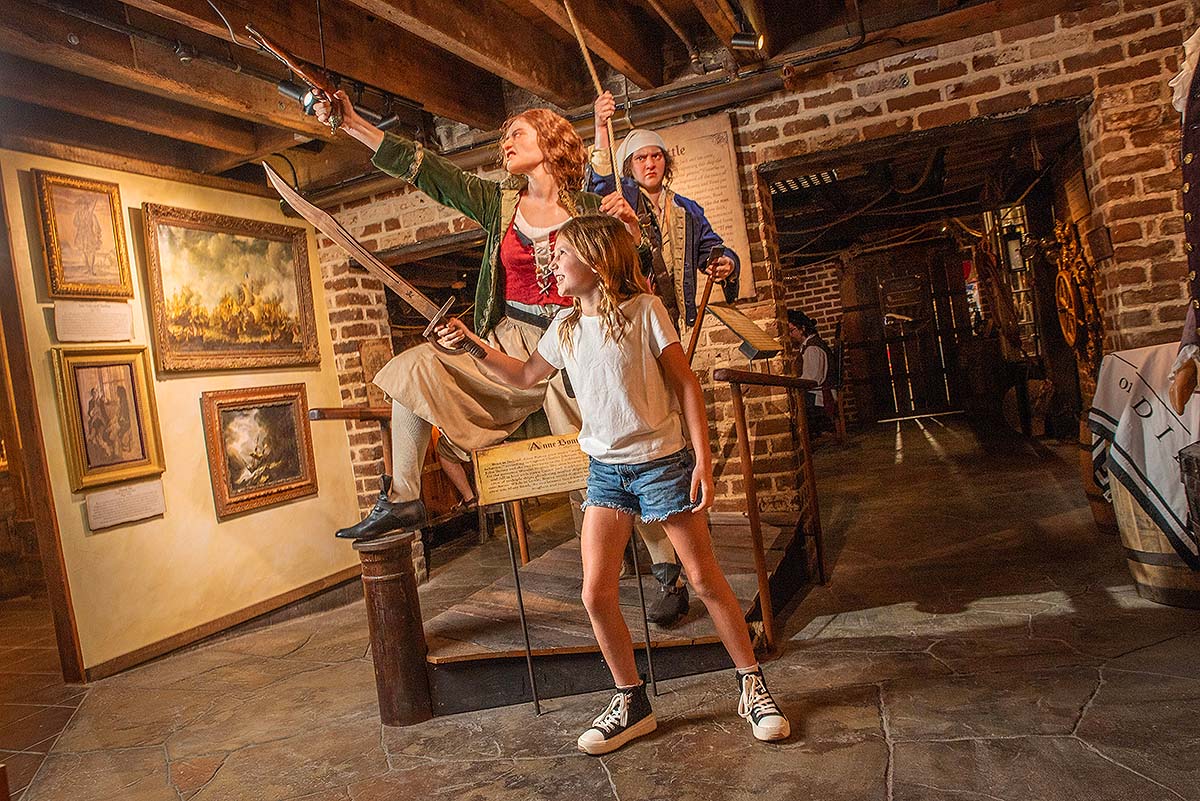
Rounding out the list is the Savannah Pirates and Treasure Museum®, which blends fact and folklore through artifacts, interactive displays, and life-size figures of infamous pirates. Families in particular enjoy the storytelling here, as it brings coastal history to life in a way that feels adventurous. Together, these museums form a connected experience where one theme leads naturally to the next, painting a full picture of Savannah history.
How Can You Explore Savannah’s Civil War and Military Past?
Fort Pulaski National Monument
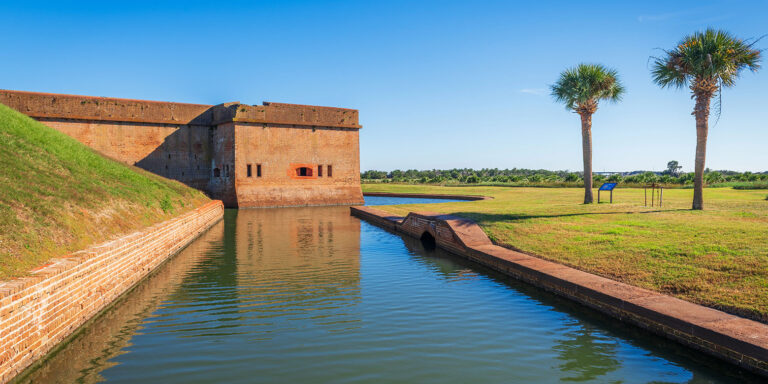
Military history is a vital part of the history of Savannah, GA, and its forts and battlefields keep that past tangible. At Fort Pulaski National Monument, visitors walk along ramparts that still bear the scars of cannon fire from the 1862 battle where rifled cannons shattered its defenses and changed the course of Civil War engineering. Rangers explain the strategies used in the fight, and the tunnels, casemates, and outdoor trails make it possible to imagine life inside the fort during the conflict.
Old Fort Jackson
At Old Fort Jackson, visitors can watch daily cannon firings, military drills, and interpreters in uniform show how the fort defended Savannah during the War of 1812 and the Civil War.
Battlefield Memorial Park
Battlefield Memorial Park shifts the focus to the Revolutionary War and the 1779 Siege of Savannah, one of the bloodiest battles of the war. Memorials and plaques honor American, French, and Haitian forces who fought there, while the grounds themselves give a clear sense of the scale of sacrifice and Savannah’s role in the fight for independence.
Webb Military Museum
The Webb Military Museum on York Street provides an intimate look at American military history through a vast private collection of original uniforms, equipment, and personal stories spanning from the Civil War to Desert Storm. Visitors can explore a diverse range of artifacts, ranging from a Russian-made MiG jet to the personal diaries and letters of servicemen and women.
Together, these sites trace a line through centuries of conflict. Each one shows how defense, innovation, and sacrifice left lasting marks on the city, ensuring that military heritage remains central to Savannah history.
Where Can You Learn About African American History and Heritage in Savannah?
First African Baptist Church
African American history is central to Savannah, and several landmarks connect visitors with that past. The First African Baptist Church, founded in 1777, is the oldest Black congregation in North America. Tours explain how it became a hub for community life and later a stop on the Underground Railroad, with floorboard openings still visible as a moving reminder of this chapter in Savannah history.
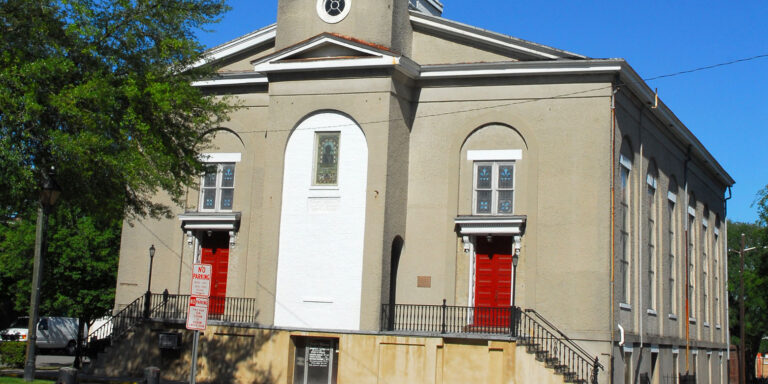
Ralph Mark Gilbert Civil Rights Museum
The Ralph Mark Gilbert Civil Rights Museum highlights the 20th-century movement that reshaped the South and the nation as a whole. Exhibits of photos, oral histories, and interactive displays show how local leaders fought for equality through sit-ins, marches, and boycotts. Named for a pastor who guided these efforts, it gives a local face to national events in the history of Savannah, GA.
Pin Point Heritage Museum
At the Pin Point Heritage Museum, visitors discover the traditions of the Gullah Geechee community inside a former seafood factory. Many guides grew up in Pin Point and share personal stories of language, food, and worship, offering a firsthand look at this culture’s resilience.
How Do Ghost Tours Bring Savannah’s Legends to Life?
Travelers often discover that the city’s stories go beyond its architecture and museums. The haunted side of Savannah history is equally well-known, and ghost tours bring those tales to life. Walking tours guide visitors through squares and historic homes where unexplained sights and sounds have been reported for centuries, reminding guests that the haunted past is still part of the history of Savannah, GA, today.
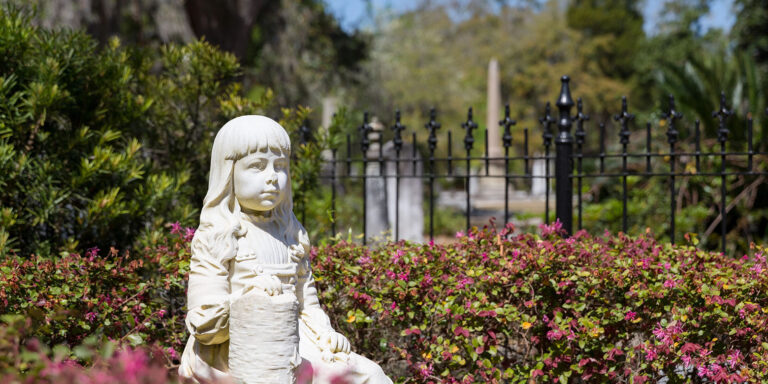
Bonaventure Cemetery
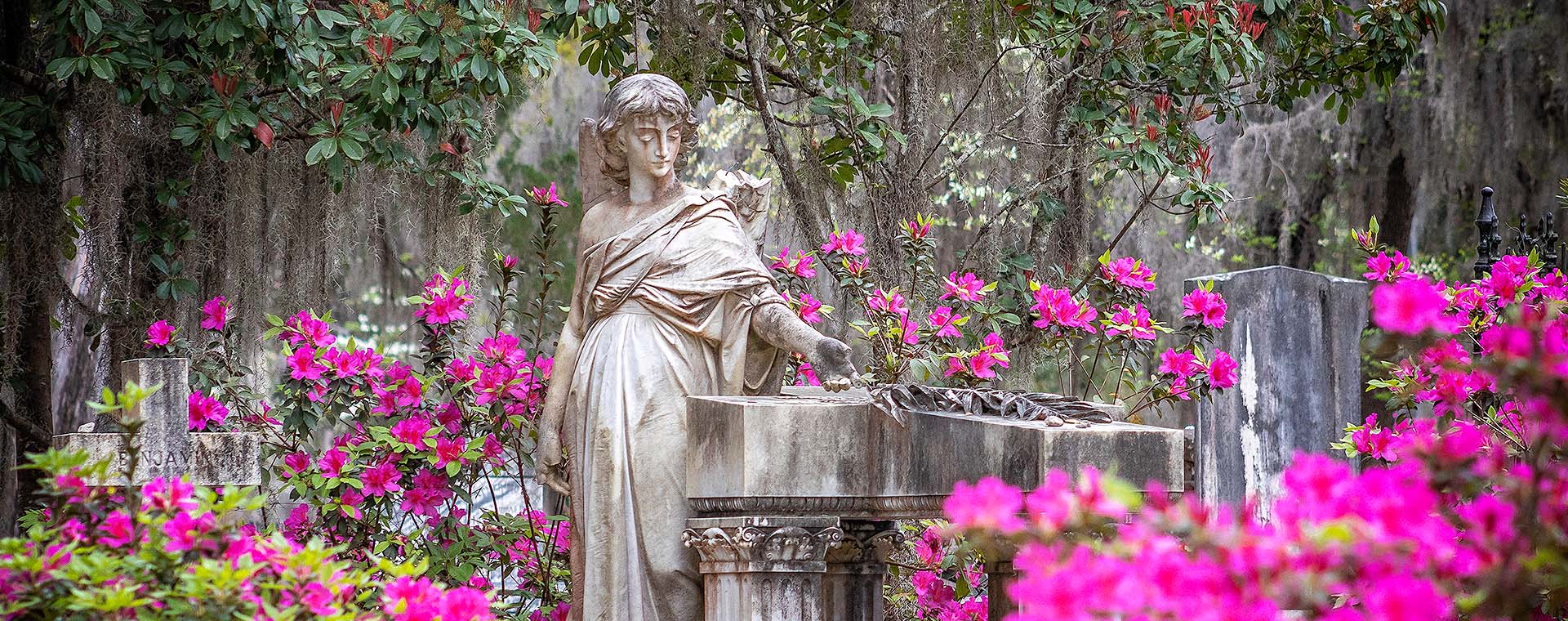
Bonaventure Cemetery is one of the most famous places tied to these stories. Its sweeping oak trees, elaborate headstones, and marble statues create a setting that is both beautiful and mysterious. The cemetery gained worldwide attention through the book Midnight in the Garden of Good and Evil, which highlighted its haunting atmosphere. Guests wander among family plots while hearing stories of poets, soldiers, and public figures buried there. Some describe sudden chills or an unseen presence, making Bonaventure a place where peace and unease exist side by side in Savannah history.
Colonial Park Cemetery
Colonial Park Cemetery offers another view of the city’s darker past. Dating back to the mid-1700s, it is the final resting place for more than 9,000 people. Night tours often focus on the Revolutionary War and the epidemics that swept through Savannah. Many tombstones still show damage from the Civil War, when Union soldiers altered carvings during the city’s occupation. Because no one is allowed in the cemetery after dark, just outside the gates, guides share tales of duels, yellow fever outbreaks, and sightings of shadowy figures, making it a must for those who want to experience the haunted side of the history of Savannah, GA.
Ghosts & Gravestones
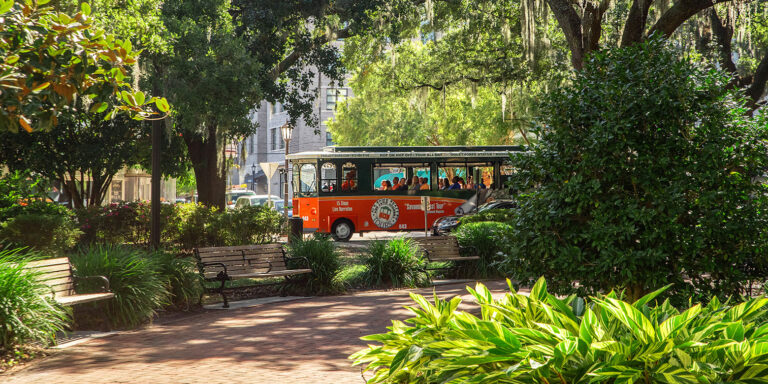
For a more theatrical experience, Ghosts & Gravestones® blends history and performance. Guests board the Trolley of the Doomed as a Ghost Host recounts eerie stories rooted in fact. This mix of history, theater, and paranormal storytelling shows how legends remain deeply tied to Savannah history.

Ghost Hunters of Savannah Paranormal Investigation
For something more hands-on, the Ghost Hunters of Savannah® Paranormal Investigation lets participants use real equipment like EMF meters and spirit boxes. The tour is led by guides who explain the history of 416 W. Liberty Street while giving guests the chance to test for paranormal activity themselves. All investigations take place in a historic building with documented ghost sightings, so guests leave with both historical context and the thrill of exploring possible evidence of the supernatural.
What Day Trips Offer More Insight Into Savannah History?
Wormsloe Historic Site
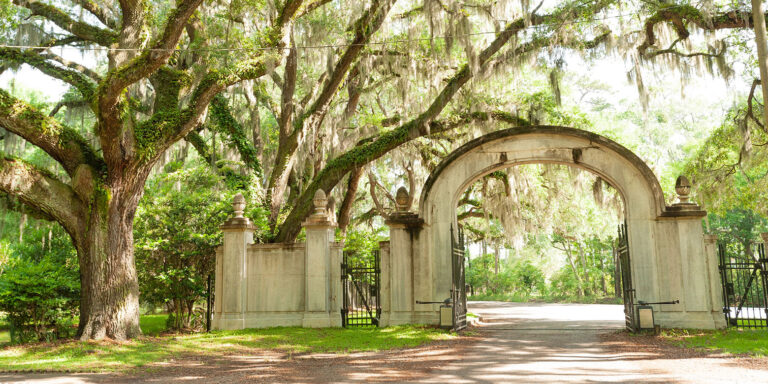
A short drive from the city reveals even more ways to explore the history of Savannah, GA. Wormsloe Historic Site, one of the most photographed places in Georgia, welcomes visitors with a mile-long avenue shaded by more than 400 live oaks. Beyond the iconic entrance are tabby concrete ruins of the original colonial estate, while trails wind through salt marshes and forests with signs explaining the site’s role in colonial and Revolutionary War history.
Tybee Island Lighthouse
The Tybee Island Lighthouse, the oldest and tallest in Georgia, is another highlight. Climbing 178 steps rewards visitors with sweeping shoreline views and Fort Screven. Inside the keepers’ cottages, exhibits on maritime navigation and Tybee’s military history add depth to the maritime side of Savannah history.
Midway Museum
The Midway Museum offers yet another perspective with Revolutionary War-era artifacts. In its 18th-century-style cottage, furniture, documents, and clothing reveal daily life in early Georgia, while guides share stories of soldiers and families who lived nearby, adding personal voices to the broader history of Savannah, GA.
Why Does Savannah’s History Leave Such a Lasting Impression?
The history of Savannah, GA, stretches back to its founding in 1733 and continues to shape the city today. Each neighborhood, landmark, and museum adds to that story, inviting visitors to step into places where the past is still visible in daily life. Exploring the Historic District means walking among preserved squares, admiring centuries-old buildings, and listening to guides who bring the past into focus.
Travelers who love history find a wide range of experiences. Homes like the Owens-Thomas House reveal details about daily life in the 19th century. Fort Pulaski shares military engineering and Civil War battles. Ghost tours lead visitors through historic squares at night, blending storytelling with real locations tied to Savannah history. Each of these experiences adds something new, creating a citywide narrative that feels rich and layered. This variety is what makes the history of Savannah, GA, such a meaningful part of any visit.
FAQs About Savannah History
Several museums provide a detailed view of the history of Savannah, GA. The Savannah History Museum covers everything from Native American culture to the Civil War. The Ships of the Sea Maritime Museum focuses on trade and naval life. The Georgia State Railroad Museum preserves locomotives that once drove the local economy. The Davenport House Museum highlights early preservation efforts, while the American Prohibition Museum adds a social and cultural angle. The Old Savannah Distillery ties together spirits, craft, and heritage, offering another perspective on Savannah history.
The history of Savannah, GA, is deeply connected to African American heritage. The First African Baptist Church, founded in 1773, is the oldest Black congregation in North America and includes stops tied to the Underground Railroad. The Ralph Mark Gilbert Civil Rights Museum documents Savannah’s role in the Civil Rights Movement, while the Pin Point Heritage Museum preserves Gullah Geechee traditions, guided by descendants of the community. Together, these sites highlight essential chapters in Savannah history and ensure visitors gain a more complete view of the city’s past.
Historic landmarks in the city are open throughout the year, though spring and fall bring the most comfortable weather for walking tours and outdoor visits. Many travelers also time their trips with seasonal events like the Savannah Music Festival or the Savannah Jazz Festival, both of which add another layer to the history of Savannah, GA. Winter has its own appeal, with holiday tours and decorated historic homes. Summer can be hot, but indoor museums such as the Ships of the Sea and the American Prohibition Museum provide cool, educational spaces connected to Savannah history.